
GLP-1 medications and dietary support
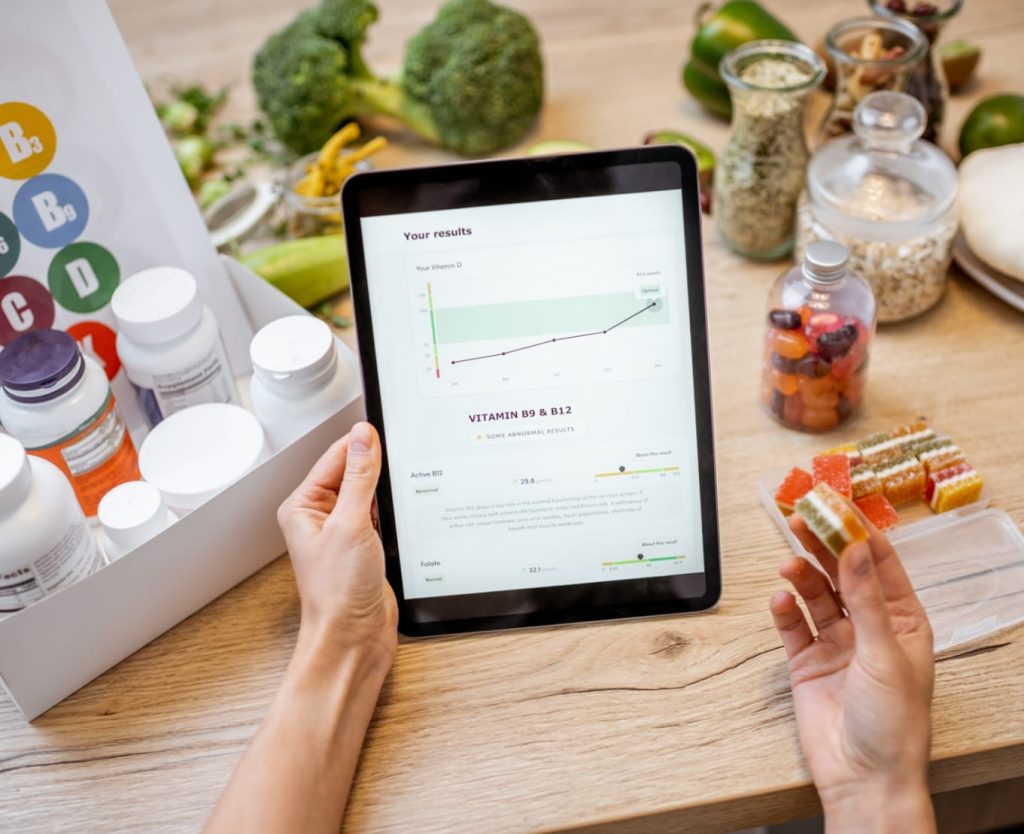
Patients starting GLP-1 medications often experience reduced appetite, early satiety and occasional nausea. Without dietary planning, intake of protein and key micronutrients can fall sharply.
Low-FODMAP: the importance of reintroduction

The low-FODMAP diet is a short-term diagnostic tool, not a long-term eating pattern. Skipping reintroduction limits diet variety and the gut microbiome.
Mediterranean-style eating after a cardiac event

Mediterranean-style dietary patterns continue to be associated with favourable cardiovascular outcomes across multiple large studies.
Protein and resistance training in menopause

Falling oestrogen contributes to changes in body composition and bone density. Protein distribution across the day, alongside resistance exercise, supports muscle maintenance.
Carbohydrates: quality matters more than headlines

Carbohydrate type, fibre content and meal context all influence post-meal glucose. There is no single ‘best’ carbohydrate intake for every person with diabetes.
Long-term micronutrient monitoring after bariatric surgery

Iron, B12, vitamin D, calcium and thiamine deficiencies remain a long-term risk after bariatric procedures, including years after surgery.
PCOS: dietary patterns over single nutrients

Evidence for PCOS supports overall dietary patterns, such as Mediterranean-style or moderately lower-glycaemic-load eating, over isolated ‘PCOS superfoods’.